Enhance Your Outdoor Environment: Professional Landscaping Advice for a Beautiful Residential Garden
Converting an exterior environment into a gorgeous home garden involves careful design and conscious execution. By examining the distinctive characteristics of a yard, people can establish clear garden objectives. Selecting vegetation suited to the regional weather is crucial. Moreover, incorporating practical hardscape elements enhances both beauty and practicality. Still, the journey doesn't stop there. Learning to maintain visual appeal and ecological balance can elevate any landscape to the next level. Which tactics lead to lasting success?
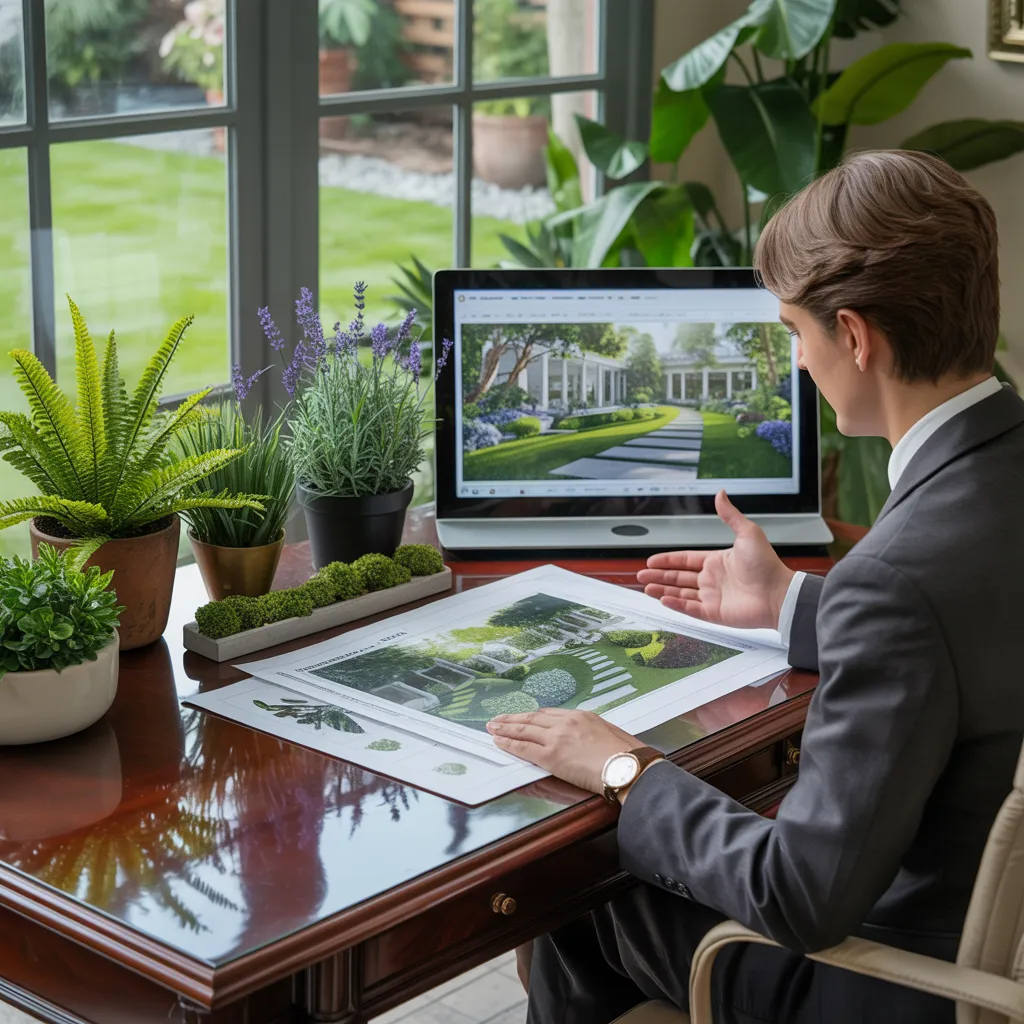
Assess Your Space to Define Your Landscaping Goals
Before starting on any landscaping project, it is vital for property owners to evaluate their exterior environment completely. This initial evaluation enables them to comprehend the distinct features of their property, including light conditions, ground composition, and existing vegetation. Determining these elements assists with determining which landscape features can be effectively integrated into the area.
Homeowners should take dimensions and note any barriers including trees, barriers, or walkways that may influence the design. Moreover, recognizing individual tastes and living requirements—including areas for entertainment, growing plants, or relaxation—can direct the garden objectives. By specifically establishing these goals, homeowners establish a solid foundation for a unified and practical outdoor environment. This careful evaluation ultimately leads to a more successful and satisfying landscaping project, guaranteeing the outdoor space not only improves the property's appearance but additionally satisfies the functional requirements of its inhabitants.
Choose the Right Vegetation for Your Regional Conditions
Selecting the right plants for a particular region is essential for establishing a flourishing exterior environment. Grasping local weather patterns, such as temperature ranges, rainfall, and humidity, supports property owners choose plants that will flourish. Indigenous vegetation typically adjust most effectively, needing minimal upkeep and irrigation. For example, water-efficient plants are perfect for arid regions, whereas moisture-loving species thrive in humid climates.
Gardeners should also take into account climate variations; selecting vegetation that offers continuous visual appeal improves the landscape. Spring-flowering plants, summer perennials, and vibrant fall foliage can create a striking visual display. Furthermore, speaking with neighborhood nurseries or agricultural resources can offer helpful information into hardy plant varieties suited to specific conditions.
In the end, a strategically designed plant selection improves not just visual appeal but also promotes native fauna and promotes ecological health, which makes it a smart decision for every outdoor space transformation.
Improve Your Garden Using Practical Landscape Features
Functional hardscaping elements prove vital in creating exterior layouts and increasing their functionality. By integrating seating zones and well-designed pathways, homeowners can create inviting environments that encourage relaxation and movement. Additionally, edging can separate different zones within the garden, adding structure and visual interest.
Establish Your Outdoor Setting
Creating a thoughtfully laid out outdoor space can transform a garden into a welcoming retreat. One proven approach to achieve this is through functional hardscaping elements, which establish structure and layout. Pathways made from brick or stone guide guests while creating visual appeal. Support walls can establish tiered levels, improving the landscape's appearance and preventing soil loss. Barriers or screens can mark boundaries, providing privacy and a feeling of containment. Adding elevated planting areas not only establishes growing zones but also improves accessibility. These elements operate in harmony to create distinct zones that enhance both aesthetics and functionality. Ultimately, a well-defined outdoor space creates a peaceful setting where homeowners can relax and enjoy nature.
Include Outdoor Seating Spaces
Incorporating seating areas into an exterior environment greatly enhances its usability and charm. By integrating functional hardscaping elements, homeowners can design welcoming areas for relaxation, socializing, or enjoying nature. Selections range from seating, outdoor furniture, or hanging seats, each contributing to the garden's aesthetic and pleasure. Deliberately positioning chairs near key features like garden beds or water detailed information installations, inspires visitors to interact with their outdoor setting. Additionally, choosing materials such as wood or stone can complement the garden's design, ensuring a cohesive look. Shade structures, such as pergolas or umbrellas, deliver relief during warmer months, enabling these spaces to function year-round. Ultimately, thoughtfully created sitting zones elevate a standard yard into a charming sanctuary for family and friends.
Add Pathways And Borders
Pathways and borders serve as essential elements in garden design, guiding visitors through the garden while enhancing its overall structure. They generate a notion of structure and circulation, assisting in distinguishing various zones and plant arrangements. Materials such as stone, brick, or aggregate can be used to build sturdy pathways, while organic edges made from hedges or ornamental barriers can improve aesthetic value. Additionally, pathways can encourage exploration, drawing attention to focal points like flower beds or water features. Properly designed borders can also inhibit invasive weeds and ground loss, enhancing garden longevity. Ultimately, integrating pathways and borders not only improves functionality but also increases the decorative appeal of the garden setting, creating a more welcoming and pleasant atmosphere.
Design Flow Through Pathways and Rest Areas
A well-designed outdoor space often features a harmonious flow achieved through thoughtfully placed pathways and seating areas. Pathways guide visitors through the garden, creating a clear sense of direction while enhancing the overall aesthetic. Using materials like stone, gravel, or wood can contribute to the pathway's visual appeal and guarantee durability.
Seating zones supply stopping places, welcoming people to rest and savor the setting. Placing seating thoughtfully near key features, such as a pond or a garden bed, inspires connection with the landscape. The type of seating—stools, benches, or even recliners—may shape the feeling, whether it be informal or elegant.
Incorporating both pathways and seating fosters an inviting environment, enhancing usability and enjoyment. Together, they create a seamless shift between different areas of the garden, promoting exploration and relaxation, ultimately transforming any outdoor space into a tranquil retreat.
Infuse Your Garden With Seasonal Color and Texture
To enhance the visual appeal of a garden, careful selection of seasonal plants is essential. Layering different textures can add depth and interest, while strategically placed focal points can draw the eye and create a cohesive design. These elements together guarantee a vibrant and dynamic outdoor space throughout the year.
Pick Seasonal Plants Deliberately
Picking season-specific plants carefully can reshape your garden into a colorful and textured paradise. By choosing plants that bloom at different times throughout the year, gardeners can ensure a perpetual floral display. Spring flowers, summer annuals, autumn bloomers, and winter evergreens each provide distinctive colors and silhouettes to the landscape. It is crucial to factor in area-specific climate and soil characteristics, as well as the plants' development requirements. Local native plants often flourish with reduced upkeep needs, enhancing biodiversity. Additionally, combining plants with varying heights and bloom times can create a dynamic visual effect. Ultimately, thoughtful selection fosters a landscape that transforms seasonally, providing beautiful scenes every season.
Establish Multiple Textures To Generate Depth
Creating garden depth requires layering textures that complement and enhance seasonal color. By incorporating a variety of plants with differing foliage shapes, sizes, and colors, one can produce an engaging garden design. For instance, pairing wide-leaved plants with delicate grasses can create contrast and intrigue. Additionally, integrating bark, stones, and other natural materials adds sensory touches that enrich the overall experience. Flowering plants need to be strategically positioned to provide bursts of color throughout the year, guaranteeing continued visual appeal. This thoughtful arrangement not only guides your gaze through the landscape but also creates an engaging environment where each element adds to the garden's overall beauty and balance.
Include Focal Points Strategically
Intentionally placing visual centerpieces can markedly enhance a garden's aesthetic quality and seasonal richness. These focal center elements serve as anchors that draw the eye and create a cohesive design. Gardeners can utilize elements such as sculptures, ornamental trees, or vibrant flower beds to spark visual interest. Seasonal color can be introduced via the careful selection of plants that bloom at different times, keeping the garden animated year-round. Surface textures also play a significant role; blending flat stone surfaces with uneven bark or thick plant life adds depth. By deliberately arranging these pieces, a gardener can build a friendly environment that sparks discovery and gratification, transforming an outdoor space into an engaging retreat.
Implement Eco-Friendly Strategies to Cultivate a Vibrant Garden
Adopting environmentally-conscious approaches is essential for cultivating a thriving garden that grows in balance with the ecosystem. Gardeners are advised to apply native plants, which demand minimal water and attention while enhancing community animals. Using chemical-free growing methods, including organic waste management and natural pest solutions, can significantly reduce pesticide application, promoting a more robust natural community.
Water-saving techniques, including precision irrigation and water collection systems, strengthen eco-friendliness by improving resource use. Mulching conserves moisture and also suppresses weed growth, minimizing the necessity for synthetic herbicides. Also, encouraging plant variety by integrating multiple plant types fosters strength against pests as well as diseases.
Soil quality is critical; practices including sequential planting and soil-covering plants keep nutrient levels without synthetic fertilizers. By adopting these green methods, plant growers can create a flourishing garden that nurtures both plants and environmental health, ultimately leading to a more rewarding horticultural experience.
Troubleshoot Standard Challenges for All-Season Landscape Beauty
A well-maintained outdoor space can encounter various difficulties across seasons, affecting its total beauty plus health. Standard difficulties encompass pest outbreaks, lacking minerals, and inadequate water supply. Detecting pests early is critical; plant growers should regularly examine plant parts for injury marks as well as treat pest issues applying organic pesticides or instead adding helpful insects.
Lacking minerals frequently show as leaf yellowing as well as stunted growth. Conducting soil analysis can help pin down particular requirements, allowing to enable targeted fertilization Nutrient shortages typically show as yellowing leaves as well as limited growth. Conducting soil assessments can assist determine specific necessities, permitting targeted nutrient supply returning balance. Also, ensuring proper irrigation is vital; over-irrigation can lead to rotted roots, on the other hand too little water challenges plant life.
Changes in seasons furthermore necessitate modifications to plant care. During winter, mulching protects plant roots against ice, whereas the summer season may require higher water needs plus shade for sensitive plants. By tackling such typical problems promptly
Should I Handle Landscaping on My Own or Employ a Specialist?
It is doable to manage landscaping projects yourself, leveraging digital tools and creativity. However, hiring a professional guarantees knowledge, effectiveness, and enhanced results, specifically for complicated projects or substantial jobs that call for professional expertise.
What Implements Do You Need for Residential Landscaping?
Essential equipment for residential landscaping include a garden rake, digging tool, shovel, pruning shears, garden fork, and a watering hose or sprinkler can. These equipment assist effectively handle ground, plants, and complete garden maintenance, providing effective landscaping.
How Can I Successfully Keep My Landscape Over the Growing Season?
If you want to keep a garden area throughout the year, consistently shaping greenery is critical, spreading garden mulch for protection is vital, monitoring moisture levels matters, and implementing seasonal planting plans is beneficial. Additionally, pest prevention and soil fertilization are essential for vibrant, healthy growth.
Comments on “Expert El Cajon Top Paver Installation for Patios and Driveways”